The outcome source is what separates them mechanically. A slot resolves each spin using a certified random number generator running on the provider's servers. A live table resolves each round using a physical object: a ball in a wheel, cards out of a shoe. Cameras capture it, optical recognition reads it, and a human dealer runs the round. That produces four practical consequences.
Rounds are slower, because a dealer's pace is fixed rather than software-fast. Stakes are structured around table minimums and maximums rather than a per-spin stake slider. Bonus wagering usually counts live play at a low percentage or excludes it entirely, because these games carry a lower house edge. And the technical demand is higher, since you are receiving a video stream rather than loading a small game client once.
| Aspect | Live-dealer table | RNG slot or table game |
|---|---|---|
| Outcome source | Physical wheel, cards or dice, read by cameras | Certified random number generator |
| Round length | Fixed by the dealer, typically tens of seconds | As fast as you click |
| Betting window | Closes on a countdown; late bets are refused | Open whenever you are |
| Stake control | Table minimum and maximum | Free choice within the title's range |
| Other players | Shared table, visible bets in some formats | Solo |
| House edge | Generally lower on classic tables | Generally higher on slots |
| Bonus weighting | Usually low or excluded | Slots usually count 100% |
| Demo mode | Rarely available — real stakes only | Usually available |
| Connection needed | Stable video stream | Light, works on poor connections |
| Session pacing | Naturally slower, easier to pace | Fast, and pace must be self-imposed |
The last row is worth sitting with. Because a live table cannot be rushed, the number of rounds you play in an hour is bounded by the dealer rather than by you, and total turnover falls accordingly. For anyone who finds slot pacing hard to manage, that structural brake is a genuine advantage even before the lower house edge is considered.
Casinos do not build live tables; they license them. Understanding which studio runs a table tells you what to expect from its presentation, its side-bet range and its game-show formats.
| Studio | Known for | Typical formats |
|---|---|---|
| Evolution Gaming | The largest live catalogue and the game-show category it effectively created | Roulette variants, blackjack at scale, baccarat, Crazy Time, Monopoly Live, Lightning series |
| Playtech Live | Branded and licensed-IP tables, strong side-bet design | Roulette, blackjack, baccarat, branded jackpot-linked tables |
| Other integrated studios | Regional formats and lower-limit tables | Baccarat-led catalogues, local-language dealers, budget table minimums |
Evolution's Lightning format is the clearest example of how a studio changes a classic game. Lightning Roulette runs standard European rules, then adds randomly selected numbers carrying boosted multipliers each round, funded by a reduced payout on straight-up wins. It is the same wheel with a different payout distribution (more volatile, not more generous) and our roulette page works through what that trade actually costs. Game shows such as Crazy Time and Monopoly Live go further still, replacing the card or wheel entirely with a presenter-led format and a bonus round.
These titles are confirmed on the brand's own catalogue. Tap a card to open the official lobby.

A presenter-hosted money wheel with four bonus rounds, each with its own multiplier structure.
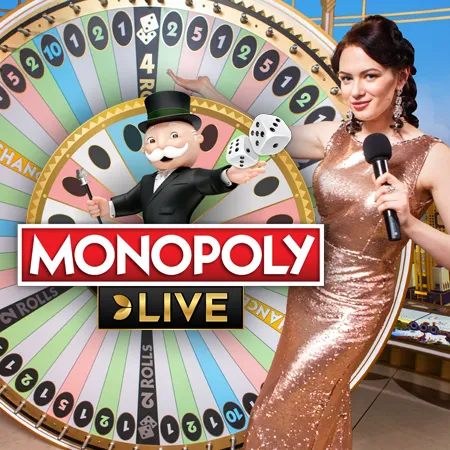
A money wheel feeding into an augmented-reality board walk when the bonus segment lands.
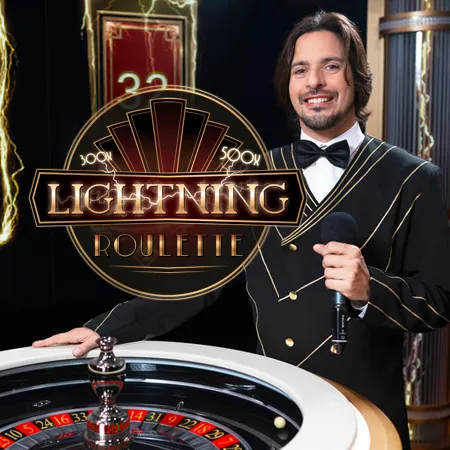
European roulette with randomly boosted straight-up numbers each round, funded by reduced standard payouts.
Dealer-run blackjack with seat limits, side bets and bet-behind on busy tables.
The standard single-zero table, the baseline every other roulette variant is measured against.

A themed wheel format with a physical bonus stage, in the same family as the studio's other shows.
Connection stability over headline speed. A steady connection at modest bandwidth outperforms a fast but fluctuating one. Live clients adapt quality downwards to keep the stream running, so a weak connection shows up as a blurry table rather than a stopped one — until it drops entirely.
Wired or close to the router where possible. On mobile, a stable Wi-Fi signal beats a strong but congested cellular one. Our mobile overview covers how much data a live session actually consumes.
Close other tabs and downloads. Video streams are the first thing to suffer from background bandwidth competition, and a large download running quietly is the usual culprit behind stuttering.
Understand what happens if you disconnect. The table keeps running on its own timer. A bet already placed stands and is settled normally; a bet not yet placed simply does not happen. Blackjack seats are the exception worth knowing — most tables auto-play a disconnected hand using a default rule, so the seat is not held indefinitely.
Headphones help more than you would expect. Dealer announcements carry the state of the round, and on game-show formats the audio often signals a bonus trigger before the visuals catch up.
Live tables have conventions that RNG games do not, and none of them are written down in the lobby.
Check the table limits before you sit. Minimums vary enormously between tables running the same game, and joining one whose minimum is above your intended stake means either leaving immediately or playing higher than you planned. Most lobbies show limits on the table thumbnail; it is worth reading them rather than clicking the first open seat.
Expect a betting countdown. Once it closes, nothing can be added or removed, and there is no undo after the wheel is released. This catches out players used to slots, where every decision waits for them indefinitely.
Treat side bets as separate games. Perfect Pairs, 21+3 and their equivalents carry considerably higher house edges than the main wager they sit beside, and they are the most common way a low-edge game quietly becomes an expensive one.
Finally, remember the bonus position. Because live tables are usually weighted at a small fraction for wagering purposes or excluded outright, playing them while a bonus is active can mean thousands of pounds of turnover producing almost no playthrough progress. If you want live tables, consider declining the offer and playing with cash; our our bonus page has the full weighting table.
The live lobby is organised by game, which is not how most people choose. Pace, stake structure and how much attention a format demands are the things that decide whether an hour is enjoyable, and they vary far more between formats than the game names suggest.
| If you want | Look at | Why it fits |
|---|---|---|
| The lowest house edge available | Baccarat banker bet, or blackjack played to basic strategy | Both sit near the bottom of the range for standard casino games |
| A slow, low-attention session | Standard single-zero roulette on even-money bets | Simple decisions, long round times, no strategy to maintain |
| Something to actively think about | Blackjack with a strategy chart open | Every hand is a decision with a correct answer (see our see our blackjack page) |
| Big swings and entertainment value | Game shows and Lightning-style formats | Multipliers add volatility and a presenter carries the session |
| Very small stakes | Low-limit roulette and baccarat tables | Table minimums on these formats are usually the lowest in the lobby |
| A shared, sociable table | Baccarat or game shows | Everyone bets on the same outcome, so the room reacts together |
| To avoid other players entirely | First-person or RNG versions of the same games | Same rules, software-driven, no seat competition, and often demo-playable |
That last row points at a useful middle ground many players miss. Most studios publish first-person versions of their live games: the same rules and payouts rendered in software, playable at any hour with no seat limits and often available in demo mode. They are the sensible place to learn a table format's betting layout before spending real stakes at a live one, and because they run on a random number generator they usually carry ordinary slot-style bonus weighting rather than the low live-table rate.
Live tables are video first and game second. That single fact states most of what you need to know about kit, because a dropped frame costs you a betting window rather than a pixel.
Two bonus notes that catch people out. Live tables usually contribute little or nothing towards a wagering requirement, so a session here rarely clears a welcome offer or a no deposit bonus. And RTP (return to player) at a live table is fixed by the rules on the felt, not by the studio's software build.
| Setup | Works smoothly? | What breaks first |
|---|---|---|
| Fibre, 5 GHz Wi-Fi | Yes, full HD | Nothing in normal use |
| 4G mobile data | Yes, usually | Quality drops in crowds |
| Shared 2.4 GHz Wi-Fi | Marginal | Freezes at the betting close |
| Laptop on battery saver | No | Frame rate, then the bet |
Two names dominate the streamed tables on this brand, and a handful of others fill the gaps. Knowing which providers run which format saves you scrolling past 40 tiles to find the one table you wanted.
| Provider | Signature formats | Typical betting window | Tables you will see |
|---|---|---|---|
| Evolution Gaming | Game shows, roulette, blackjack | 12 to 15 seconds | Crazy Time, Monopoly Live, Lightning Roulette |
| Playtech Live | Roulette, card tables | 15 to 20 seconds | Quantum and Mega formats |
| Other studios | Regional card tables | 10 to 20 seconds | Baccarat and casino poker variants |
| Hybrid game shows | Wheel plus bonus round | 20 to 30 seconds | Adventures Beyond Wonderland |
One practical consequence. A 12-second window is not much time to change your mind, so pick your bet before the previous round resolves.
They are physical events under camera, which makes them auditable in a way software is not: the wheel, the shoe and the dealer are all visible. Licensed studios are independently tested, and the presence of a live stream is precisely what makes tampering difficult to hide.
Almost never. Demo mode exists for RNG titles because a server can run a simulation for nothing; a live table occupies a real dealer and real studio time, so play is real-stakes only. Watching a table before joining is usually possible and costs nothing.
It is set by the game's rules rather than by software configuration, and it is published in the table's own information panel. Single-zero roulette, for example, carries a different figure from double-zero roulette purely because of the extra pocket (see our see our roulette overview).
No. Free spins are a slot mechanic and cannot be used on a dealt or spun table game. Live-table promotions instead take the form of cashback, prize drops or tournament leaderboards.
Either every seat is taken, or the table is restricted in your region. Blackjack fills up most often; many lobbies offer bet-behind, which lets you wager on another player's hand without a seat.
No. The stream is one-directional. You see the dealer; the dealer does not see you. Interaction is limited to a text chat panel, which can normally be switched off.
Not at all. Verification is account-level, so completing it once covers slots, live tables and everything else; our our withdrawal overview lists what to prepare.
Table availability, limits and dealer languages change through the day. The live lobby shows what is running right now.
Visit Jeetkhel →